
Obesity can affect your health and quality of life in so many ways. Carrying extra weight increases your risk for type 2 diabetes, heart disease, and some cancers. It's also linked to depression, anxiety, and low self-esteem. But it's important to know that the causes of obesity are complex and often include genetic and physical factors that are beyond your control.
Losing just 5% to 10% of excess body weight can help reduce many health risks, but weight loss isn't easy. If you've struggled to get down to a healthy weight, you should know that this is something you can talk to your doctor about. They can help you choose a weight loss program or treatment to help you manage your weight. GLP-1 receptor agonists are an increasingly common treatment option that can help you lose 10% or more of your starting weight.
You may also have already tried other weight loss medicines. These include:
- Bupropion-naltrexone (Contrave)
- Orlistat (Alli, xenical)
- Phentermine-topiramate(Qsymia)
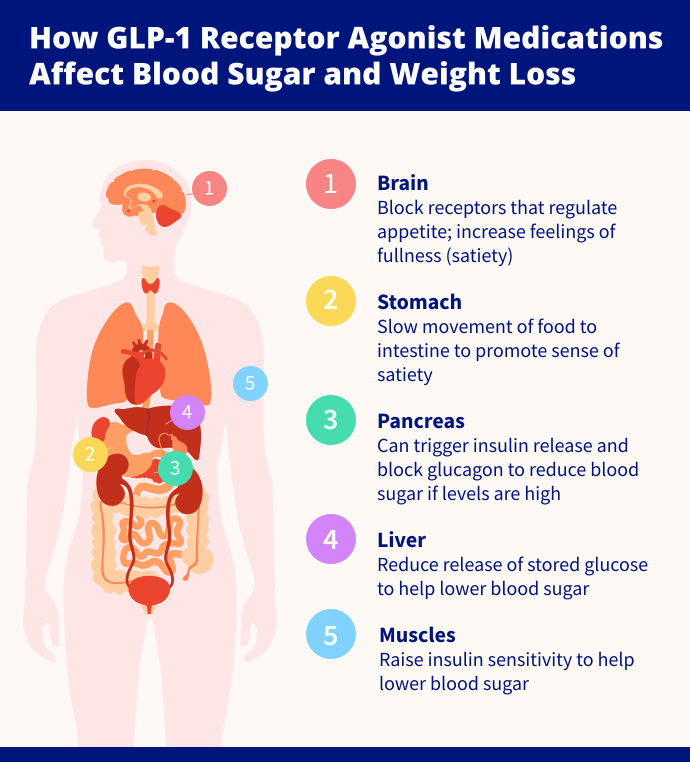
What Are GLP-1 Agonists?
GLP-1 is short for glucagon-like peptide-1. It's a hormone your intestines release when you eat. GLP-1 triggers your pancreas to release insulin, which moves glucose from your blood into your cells for storage. That lowers your blood sugar. GLP-1 also stops the release of glucagon, another hormone your pancreas makes that raises your blood sugar. And GLP-1 slows the movement of food from your stomach to your intestines, which helps keep you feeling full longer.
GLP-1 agonists work like the GLP-1 your body makes. They lower blood sugar, which makes them helpful for treating type 2 diabetes. These medicines also reduce appetite to treat obesity. Your doctor might call GLP-1 agonists by one of their other names:
- GLP-1 receptor agonists
- Incretin mimetics
Which GLP-1 Therapies Specifically Treat Obesity?
A few categories of medicine work in different ways to promote weight loss. Some of them also treat type 2 diabetes.
Understanding how each medicine works, how you take them, and what side effects they might cause can help you make an informed discussion with your doctor. The weight loss medicine your doctor recommends will depend on your health, how much weight you need to lose, and how well other treatments have worked for you.
When Are GLP-1 Agonists Prescribed to Treat Obesity?
How Do You Take GLP-1 Agonists?
Most of the GLP-1 agonists that treat obesity come as an injection, which you can give yourself at home. You inject the liquid medicine under the skin of your thigh, belly, or upper arm with a needle and syringe or a prefilled pen.
Wegovy is also available as a daily 25-mg pill. You take one pill with up to four ounces of water on an empty stomach, and then wait for at least 30 minutes before eating or drinking anything else or taking any other medications or supplements. It's important to wait so that your body can absorb the medicine. If you miss a dose, skip it and wait until the next day to start again.
How Effective Are GLP-1 Receptor Agonists for Weight Loss?
Here are results from clinical trials for GLP-1 agonists:
It’s important to remember that weight loss medicines like the GLP-1 agonists don’t replace a healthy diet and exercise. They work best when you use them as part of a healthy lifestyle.
Are GLP-1 Agonists Safe?
GLP-1 agonists are generally safe, but they do have some risks. In some people they cause side effects or an allergic reaction. They might lower blood sugar too much, called hypoglycemia.
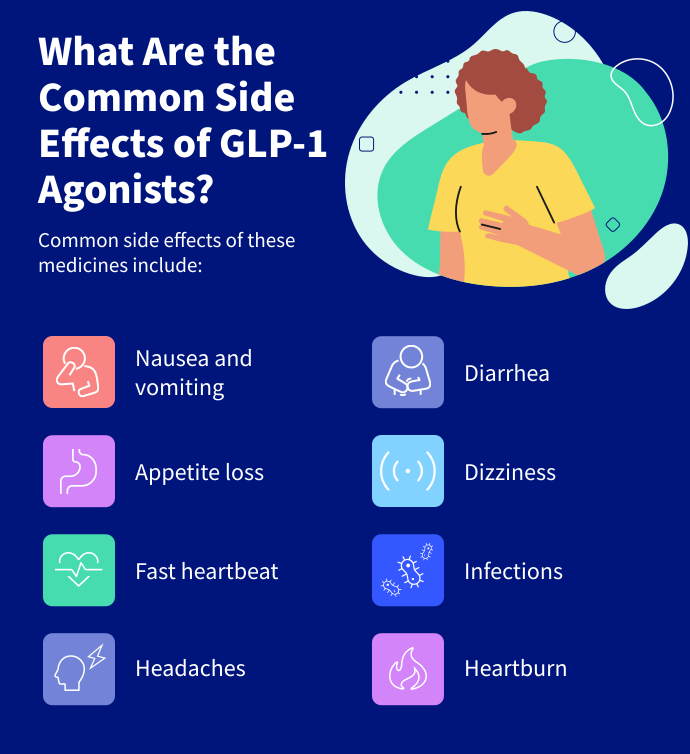
Studies have also linked these medicines to rare but severe side effects like:
- Pancreatitis – inflammation of the pancreas
- Gastroparesis – slow stomach emptying
- Blockages in the intestines
- Medullary thyroid cancer
- Kidney damage
Who Should Not Take GLP-1 Agonists?
GLP-1 medications aren’t for everyone. Your doctor will likely not recommend one of these medications to you if:
- You’ve had pancreatitis (GLP-1 receptor agonists can inflame the pancreas).
- You or someone in your family has had medullary thyroid cancer or multiple endocrine neoplasia.
- You’re pregnant or planning to get pregnant. GLP-1 agonists aren't safe to take during pregnancy because they might increase the risk for birth defects.
Some studies have linked them to thyroid tumors in rats. We need more in-depth research to know for sure if these medications pose a risk to humans.
How Much Do GLP-1 Agonists Cost?
The cost can vary slightly depending on which drug you take. In general, GLP-1 agonists may cost more than $1,000 without insurance coverage, rebates, or coupons. Insurance may not cover the cost unless you have type 2 diabetes, and some employer health plans don’t include these drugs.
Many drug companies that make GLP-1 medications offer patient assistance programs (PAPs) to help reduce out-of-pocket costs. They may give you the medication at a reduced cost or, sometimes, for free. You may need to meet certain income standards to qualify.
You may also be able to get a copay card that can reduce your out-of-pocket costs. Some drug companies will also help answer questions you have about your insurance coverage or other ways to get financial help.
Clinical Trials of GLP-1 Receptor Agonists
Research is still in progress to study the safety and effectiveness of both GLP-1 receptor agonists that have been approved already as well as new drugs in this class.
Clinical trials may compare different GLP-1 receptor agonists to each other. Other studies compare them to other classes of drugs to see which work better and why.
To find studies across the country, visit ClinicalTrials.gov to see:
- Information about the trial and its research goal
- Whether the study is still enrolling
- Where it's located
- What conditions you must meet to qualify
If you're interested in taking part in a clinical trial, ask your doctor to recommend one that's a good fit for you.
What to Consider When Choosing a Treatment
When deciding on a medicine, have a discussion with your doctor about your health and weight loss goals. Each group of medicines comes with its own set of benefits and risks. Talk to your doctor about these five factors. Work together to come up with a weight loss plan that is safe, effective, and affordable for you.
As you decide on your weight loss plan, work together with your doctor. Talk to them about these five factors so you can come up with a plan that is safe, effective, and affordable for you.