Dance is a universal art form that connects us all, whether for fitness, creative expression, or pure enjoyment. You can dance almost anywhere and often don’t need special equipment.
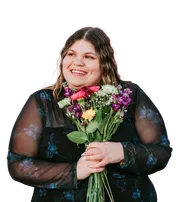
Jessie Diaz-Herrera fell in love with dance at an early age, enjoying ballet, tap, and jazz. “Dance was my life,” she says. As a teen, though, she encountered dance’s body politics. After a strong audition, a teacher told her to lose weight. The message that body size mattered more than skill pushed her out of the dance studio for years.
In college, Diaz-Herrera rediscovered dance. She joined and led a hip-hop crew, built an inclusive dance community, and in 2016, launched the Body Positive Dance Class. She’s now CEO and co-founder of Power Plus Wellness, a wellness company that creates private movement classes and other experiences for people with larger bodies.
Her signature class, Free the Jiggle, leans into joyful movement and somatic release. “We jiggle our arms; we jiggle our bellies” because it wakes up the lymphatic system, boosts blood flow, and relieves tension, Diaz-Herrera says. Multiple scientific studies show other physical and mental health benefits of moving your body through dance.
How Dance Benefits Your Health
Since it’s an aerobic exercise that pumps blood through your body and supplies oxygen to your muscles, dance improves your cardiovascular health and helps with weight loss. One study found that dancing lowers your chance of dying from cardiovascular disease even more than walking. Dance can also make you stronger and more flexible while enhancing your mobility, balance, and heart and lung health.
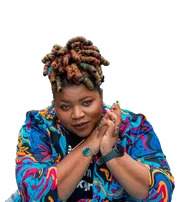
For Stacey Iltis of Sarasota, Florida, dance has always been a way to express herself and a constant she could hold onto as her family moved from place to place. “You can go anywhere and take a ballet class, and you're learning the same techniques and curriculum.”
Today, she’s a dance instructor and CEO of Fly Dance Fitness, a boutique studio that offers high-energy hip-hop workouts in a nightclub-like setting. She says it's often hard to stick with a workout, but if it’s something you find fun, like dancing, “You’re more likely to come back and want to do it again.”
Besides the physical benefits, dancing is also great for your mental health. Moving your body releases endorphins, also known as your “feel-good” chemicals. Plus, listening to music while you dance stimulates the reward centers of your brain. When it’s a group activity, dance also offers mental health benefits, including combating loneliness and isolation.
Noelle Nelson, a ballroom dancer from Camarillo, California, says that after losing her home in a wildfire in 2018, “dance classes literally got me out of bed in the morning. [They] kept me grounded, kept my sanity.” Her dance community rallied around her, offering clothes, supplies, and even housing.
As a clinical psychologist, Nelson is especially aware of dance’s mental health benefits. She says ballroom dancing has sharpened her focus, memory, and cognitive function, while also improving her sleep and easing her depression. “It’s really hard to go into a dance class and stay depressed.”
Learning dance choreography can also enhance your recall, focus, and concentration.
How Dance Compares to Other Forms of Exercise
When it comes to your physical health, mental health, and thinking (cognitive) skills, dance may be as good, and sometimes better than, other forms of physical activity. Researchers in Australia reviewed dozens of studies that included both healthy people and those with health issues from different age groups.
They found that dance was at least as good as other forms of physical activity in improving cardio fitness, mobility, depression, anxiety, and quality of life for people with Parkinson’s disease. In some cases, dance did better than other exercises, especially for:
- Body composition
- Blood biomarkers (cholesterol, triglycerides, etc.)
- Strength, flexibility, balance, and physical function (musculoskeletal function)
- Motivation, or the level of interest or enjoyment people have
- Aspects of memory and thinking, such as recognizing words
- Emotional well-being, including less anger and distress
Getting Started With Dance
Whether you’ve never danced, it's been a while, you’re shy, self-conscious, or have two left feet, it’s simple to get started with dance. Here are some tips:
Sign up for a class. Your local gym, community center, or dance school may offer dance or movement classes for all skill levels. There are many types to choose from, including tai chi — a type of martial art often set to music — Zumba, which combines cardio and Latin-inspired dance, as well as ballroom, folk, line, square, ballet, and tap dance.
Dance from the comfort of your home. There’s a wide range of dance instruction videos on the internet that show you step-by-step how to dance. Or check your local library for dance videos you can borrow.
Choose the right gear. This includes clothes you can move in, sneakers, and, if needed, specialized footwear such as ballet or tap shoes.
What to know before joining a dance class
When thinking about enrolling in a dance class, first ask yourself: What are my goals? Understanding why you want to join a dance class will help you choose the right one. You may want to improve your fitness, flexibility, or coordination. Or socializing in a group setting may be important to you. Are you dancing for fun, or do you want to take part in dance competitions at some point? Your preferred speed — whether fast or slow — matters, too.
Before joining a class, see your doctor for a checkup, especially if you have a health condition, are carrying extra weight, haven’t exercised in a while, or are over age 40. Here are some tips for when you’re ready to get started:
- Dress in layers that you can remove as your body warms up.
- Always warm up before starting a session.
- Stay hydrated before, during, and after dancing.
- Don’t push yourself too hard early on, and rest between sessions.
- Wear the right shoes for your style of dance.
- Cool down after each session by stretching.
During class, observe new dance moves first before you try them, and modify them if needed to lower your chance of getting hurt. And remember: Everyone is a beginner at some point. “Let yourself be new at something,” Iltis says. “We have to leave perfectionism at the door.”
Dance Is for Everyone
One of the best things about dance: It’s inclusive, and anyone can do it. All you have to do is find a style you enjoy and move your body. There are dance studios and classes dedicated to people in wheelchairs, people with larger bodies, kids, and older adults.
Nelson began ballroom dancing at 70 and has since competed internationally. At first, she hesitated, worried about going up against younger, more experienced dancers, until she learned that competitions are divided by age and skill level, making them welcoming to all. Her message: Stick with it, be patient, and focus on the joy of learning.
At her dance studio, Diaz-Herrera starts and ends each session of her Free the Jiggle class with affirmations. “Our bodies are good bodies. Thank you, body, for showing up.”
People leave proud, seen, and reminded that dance truly is for everyone.