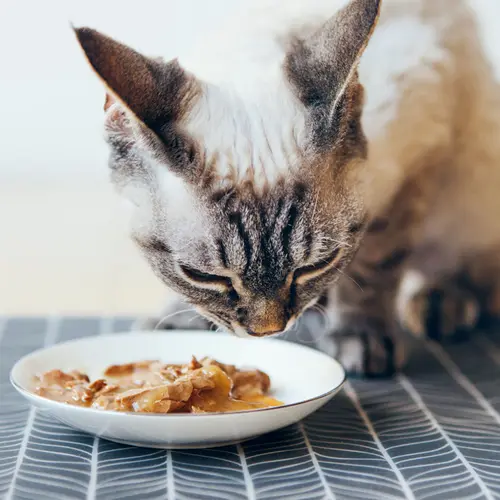


Every cat is going to throw up every once in a while, but a common misconception is that vomiting is normal cat behavior. If your cat is throwing up more than once a week or consistently every few weeks, you should see your vet. Frequent or repeated vomiting is not normal behavior for your cat.
Cats can get an upset stomach for many reasons. If your cat vomits often, meet a vet to find the root cause. Your cat may be regurgitating their food (bringing their food back up), coughing, or having a reaction to something they've eaten. It's important to keep an eye on them and make sure they haven't come in contact with a toxic substance or have something lodged in their throat.
Why Is My Cat Throwing Up?
Cats may throw up even when they're not sick. If your cat throws up right after eating, they may be eating too much or too fast. They might be reacting to a change in their diet, or they might have eaten something they shouldn't have, such as a rubber band or piece of string.
Hairballs could be to blame, too. Longhaired cats or cats that groom themselves often can get wads of fur stuck in their stomach. It’s OK for your cat to throw up a hairball every week or two to avoid blockages in their intestines. Passing hairballs should not be painful for your cat, though. To make it easier, you can brush your cat’s fur regularly or give them over-the-counter supplements.
Other more serious conditions that can cause your cat to vomit include:
- Foreign objects in their digestive tract
- Food allergies
- Poisoning
- Intestinal parasites
- Inflammatory bowel disease (IBD)
- Diabetes
- Hyperthyroidism
- Kidney disease
- Cancer
These conditions can be life-threatening, but early detection and treatment can help your cat live a long, healthy life.
Signs to Look for in Your Cat
Your vet will ask for a thorough history of your cat’s health and behavior. Before your visit, you'll want to look for the following in your cat:
- Lethargy or depression
- Change in appetite or eating habits
- Weight loss
- Blood in their vomit
- Pain in their abdomen (if they react harshly when you touch it)
- Frequency of vomiting
- Change in diet
- Access to plants or other foods or substances
- If other cats or animals are affected in your household
This will help your vet determine if your cat needs more tests.
Common Causes of Cat Vomiting
Many things can cause vomiting in cats. Sometimes it's as simple as eating too fast. One of the most common causes of vomiting is hairballs, which are clumps of undigested hair that the cat takes in when they groom themselves, mixed with saliva and digestive fluids. Most cats will bring up hairballs from time to time, especially those with long hair. This keeps as much of the hair as possible from passing into the intestines, where it could cause a blockage.
Cats who have access to grass often eat small amounts and vomit it up. The grass acts as a natural source of dietary roughage and a mild irritant, so they can expel something that's upsetting their stomachs.
It's common for cats to eat a plaything or something they find, such as pieces of string, paper, or small toys.
One of the most common causes of vomiting in cats is eating or drinking toxins, including:
- Spoiled food
- Parts of certain plants, including poinsettia, jade plant, aloe vera, and many ferns
- Certain human foods, including onions and chocolate
- Human medications
- Antifreeze
Certain medical conditions can also cause a cat to vomit, such as:
- Intestinal parasites
- Gastrointestinal (GI) issues such as irritable bowel syndrome or constipation
- Growths in the intestinal tract
- Diseases such as diabetes, hyperthyroidism, and kidney disease
How to Know if Your Cat Is Throwing Up
Your cat can get nauseous before they throw up. They can be restless, salivating, or repeatedly swallowing. Vomiting starts with intense contractions in your cat's abdominal muscles. They then expel what's in their stomach or throat.
Coughing in cats can look similar to throwing up. When a cat coughs, they crouch down on all four legs, stretch their neck out, and cough up froth or foam, which they might swallow again immediately.
There's also a difference between regurgitation and vomiting. Regurgitation requires less effort and usually doesn’t involve abdominal contractions. Regurgitation often happens right after eating or drinking and may be a sign of a problem in the cat's esophagus.
Showing your vet a video of your cat vomiting can help them differentiate between vomiting, coughing, and regurgitating.
How to Treat Cat Vomiting at Home
If your cat is vomiting because of hairballs, try switching to cat food with hairball formula. It helps prevent hairballs from forming by breaking them down with specific enzymes.
If your cat is throwing up because they are overeating, you may need to monitor and change how much food you’re giving them. You can buy a bowl that makes your cat work for their food and eat more slowly. You can also try giving your cat smaller portions more frequently throughout the day.
However, if your cat is throwing up several times a day or multiple days in a row, they may have another health issue that needs to be treated by a vet.
Treating Your Cat for Throwing Up
If your cat continues to throw up after you've taken steps at home, you'll need to take them to the vet as soon as possible.
Your vet will want to get your cat's medical history if they don't have it already. They will also ask you for details about the vomiting, such as how long it's been happening, how often it happens, and any patterns you've seen. They'll do a physical exam, including blood and fecal (poop) tests to screen for toxins, parasites, and conditions such as diabetes. If needed, they'll take X-rays and ultrasounds to look for blockages or GI tract issues that didn't show up during the physical exam. If nothing is found, they may need to do an intestinal biopsy to look for cancer or IBD.
Your vet may give your cat antinausea drugs and fluid therapy, given either into a vein or just under the skin.
Treatment will depend on the specific cause of your cat's vomiting. It could include one or more of the following:
- Toxin-specific antidotes
- Antibiotics for infections
- Surgery or endoscopy for blockages
- Dewormer for intestinal parasites
- Prescription diet, steroids, and antibiotics for IBD
- Surgery and/or chemotherapy for cancer
Your vet may also prescribe treatment for you to do at home, such as giving subcutaneous fluids or a prescription diet.
Preventing Your Cat From Throwing Up
Cats are curious creatures, and they can accidentally get into things that make them sick. It's best to keep toxic plants, human medications, yarn or string, chocolate, or other small objects out of your cat's reach. They may eat or swallow these items, which can cause digestive problems.
If your cat has long hair, brush them regularly so they swallow less of it when they groom.
Try feeding them smaller meals more often instead of one or two large meals per day.
If your cat vomits frequently, you'll want your vet to find the root causes. Also, don't hesitate to take your cat to the vet if you believe they are sick.
Cat Vomiting FAQs
When should I take my cat to the vet for vomiting?
Take your cat to a veterinarian right away if your cat:
- Vomits several times within a few hours
- Is vomiting blood (it may be bright red or black and look like coffee grounds)
- Has yellowish-green vomit (bile)
- Has trouble breathing
- Has pale gums
- Is listless or tired
- Can't keep water down
- Has diarrhea, is constipated, or is bloated
How do you settle a cat's stomach after vomiting?
If your cat is throwing up, take their food away and don't feed them for four to six hours to ease stomach irritation. Offer sips of water, no more than one to two tablespoons, every 30 minutes. When you give your cat food again, give them small amounts of a simple flavor like plain chicken. You may want to try a formula made for cats with sensitive stomachs.