Like most medicines, hormone therapy for prostate cancer can cause side effects. The treatment affects men in different ways. You may deal with a lot of bad side effects or just a few mild ones. It really depends. The longer you’re on hormone therapy, the more likely you are to have issues.
While side effects from hormone therapy are common, you can manage them with lifestyle changes, medications, and other strategies. You might also find that your side effects become easier to deal with over time.
Why Does Hormone Therapy Cause Side Effects?
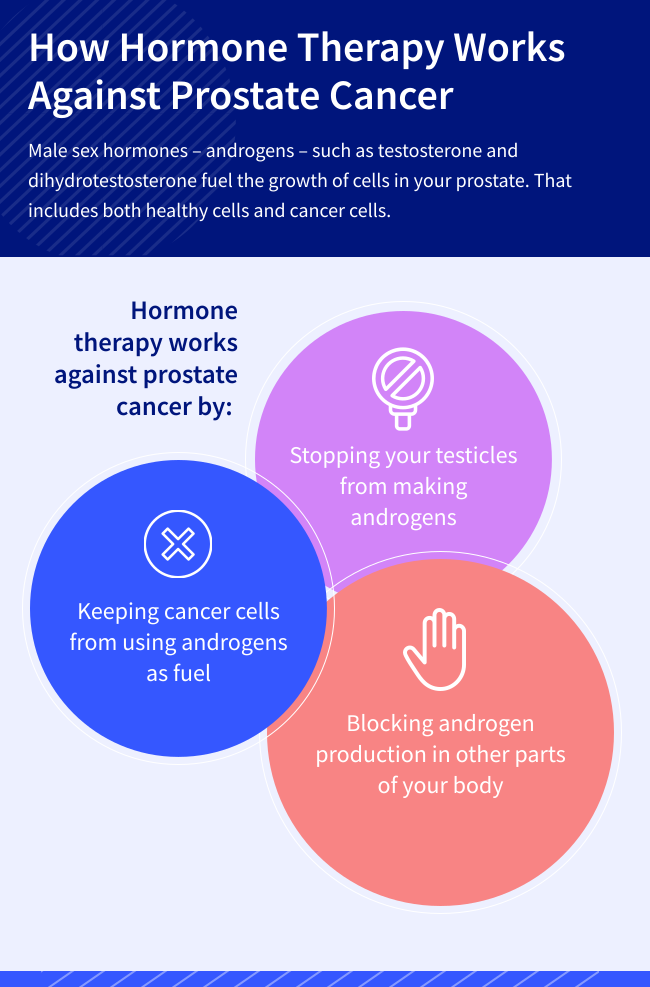
One word: testosterone. To fight prostate cancer, hormone therapy lowers levels of testosterone in your body. When your testosterone drops, prostate cancer cells don’t get the fuel they need to grow.
But this can also cause other, unwanted changes. Testosterone is important for your:
- Muscles
- Bones
- Mood
- Sexual health
- Energy levels
With less testosterone, your body reacts in ways that can make you feel bad.
How Long Do Side Effects Last?
Side effects usually last as long as you are on the medicine. If you stop treatment with hormone therapy, your testosterone levels will eventually go back up.
This means you’ll notice fewer problems. But it doesn’t happen overnight. It can take several months before all your side effects go away completely after you quit hormone therapy.
What are Some Common Side Effects of Hormone Therapy?
Side effects can be different for everyone, but here are some common ones.
How Can You Help Lessen Side Effects?
Fortunately, there are some steps you can take to help with side effects of hormone therapy. The first step is to talk to your doctor about your options.
Medications
Certain medications can help with different side effects.
Antidepressants. Some medicines can help relieve symptoms of depression, anxiety, or other mood changes.
Medicines to help ease hot flash symptoms. Your doctor may suggest gabapentin (Gralise, Neurontin), medroxyprogesterone (Provera, Depo-Provera, and others), paroxetine ( Brisdelle, paxil, Paxil CR), or venlafaxine (effexor).
Bone thinning medicines. Certain treatments, such as bisphosphonates or denosumab (Prolia, Xgeva), can help improve bone thinning caused by hormone therapy.
Treatments for breast issues. The medicine tamoxifen may help prevent or treat breast swelling or tenderness.
Medicines for sexual problems. Some drugs, creams, or devices might be helpful if you have a low sex drive or ED.
Radiation
Low-dose radiation therapy can lessen swelling and tenderness in your breasts. But it has to be done quickly – within a month of starting hormone therapy.
This therapy may not help reduce breast size once swelling has already started, but it may lessen tenderness and pain. Radiation has its own side effects, which may include hair loss and red, dark, or irritated skin.
Lifestyle changes
Certain lifestyle habits can help you manage the side effects of hormone therapy.
Regular exercise can improve a lot of different symptoms. Staying active can:
- Enhance your mood
- Prevent bone and muscle mass loss
- Promote a healthy weight
- Lower your risk of heart issues
- Boost your energy levels
Talk to your doctor about what kind of exercise program would be best for you.
To help you feel more relaxed, especially if you notice symptoms of depression or mood swings, you can try yoga, mindfulness, or listening to music.
To cope with hot flashes, try these steps:
- Stay hydrated. Aim for about six to eight glasses of water a day.
- Steer clear of smoking, alcohol, and caffeine.
- Avoid spicy foods.
- Wear light clothing to bed.
- Keep your room cool.
- Don’t take hot showers.
Here are some strategies to help with bone thinning:
- Avoid too much alcohol.
- Don’t smoke.
- Maintain a healthy weight.
- Eat lots of calcium and vitamin D to support strong bones.
You can find calcium in dairy products, tofu, and green, leafy veggies. Foods that are rich in vitamin D are oily fish like salmon and some breakfast cereals.
If you want to lower your risk of heart-related issues, be sure to:
- Eat a healthy diet and exercise regularly.
- Limit your salt intake.
- Don’t smoke.
- Cut down on alcohol.
Intermittent dosing
Some men follow a plan called intermittent dosing to help ease side effects. This means you stop hormone therapy for a period of time when your blood markers are low. Then, you can pick it up again when your numbers start to rise.
While this method may work for some men, others don’t notice a change during the relatively short amount of time they go off the meds. Also, there’s a chance your cancer can grow while you take a break from hormone therapy.
Your doctor can help you decide if this is a good option.
Show Sources
Photo Credit: E+/Getty Images
SOURCES:
Prostate Cancer UK: “How hormone therapy affects you.”
MedlinePlus: “Hormone therapy for prostate cancer.”
Harvard Health: “Hot flashes in men: An update,” “Can hormone therapy cause muscle loss?”
Cancer Research UK: “Side effects of hormone therapy in men.”
Fred Hutch Cancer Center: “Hormone Treatment Side Effects.”
American Heart Association: “Close monitoring for heart risk needed if breast, prostate cancer treatment includes hormones.”
American Cancer Society: “Hormone Therapy for Prostate Cancer.”
Mayo Clinic: “Anemia.”
Urologic Oncology: “Decreasing suicide risk among patients with prostate cancer: Implications for depression, erectile dysfunction, and suicidal ideation screening.”
National Cancer Institute: “Hormone Therapy for Prostate Cancer.”
UpToDate: “Patient education: Gynecomastia (breast enlargement in males) (Beyond the Basics).”