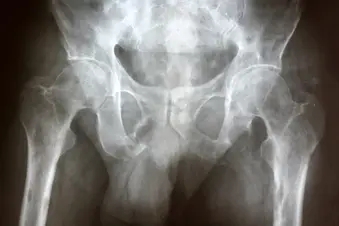
Most of the time, prostate cancer stays in the prostate and doesn't affect other parts of your body. But it can spread, or "metastasize," to different areas like your lymph nodes, bones, liver, lungs, and brain.
When prostate cancer cells do spread to other organs, they most often travel to the bones. In fact, about 85% to 90% of prostate cancers that metastasize will end up in the bones.
Prostate cancer that spreads to your bones can cause pain, weak bones, or fractures (breaks or cracks in bones). Sometimes, it's the actual cancer that triggers these issues. Other times, the treatments used to fight prostate cancer can lead to bone problems.
How Does Prostate Cancer Spread to Your Bones?
When prostate cancer spreads, cancer cells break away from the prostate. They usually go to nearby lymph nodes first. The cancer can sit there and do nothing for years. Then, it may travel to your bones through your blood or lymph vessels.
Prostate cancer can spread to your bones even if you've had your prostate surgically removed. Men with aggressive types of prostate cancers are more likely to have cancer that metastasizes to the bones.
Prostate cancer commonly affects bones in your body, like your:
- Spine
- Pelvis
- Ribs
- Skull
What Are Some Symptoms of Bone Problems?
Symptoms of bone problems due to cancer spread may include:
- Bone pain
- Broken bones
- High levels of calcium in your blood, which can cause nausea, vomiting, constipation, or confusion
- Pain or stiffness in your neck or back
- Problems controlling your bladder or bowels
- A sudden urge to pee
- Weakness in your arms and legs
Sometimes, prostate cancer that's spread to your bones doesn't cause any symptoms at all.
What Treatments Can Weaken Your Bones?
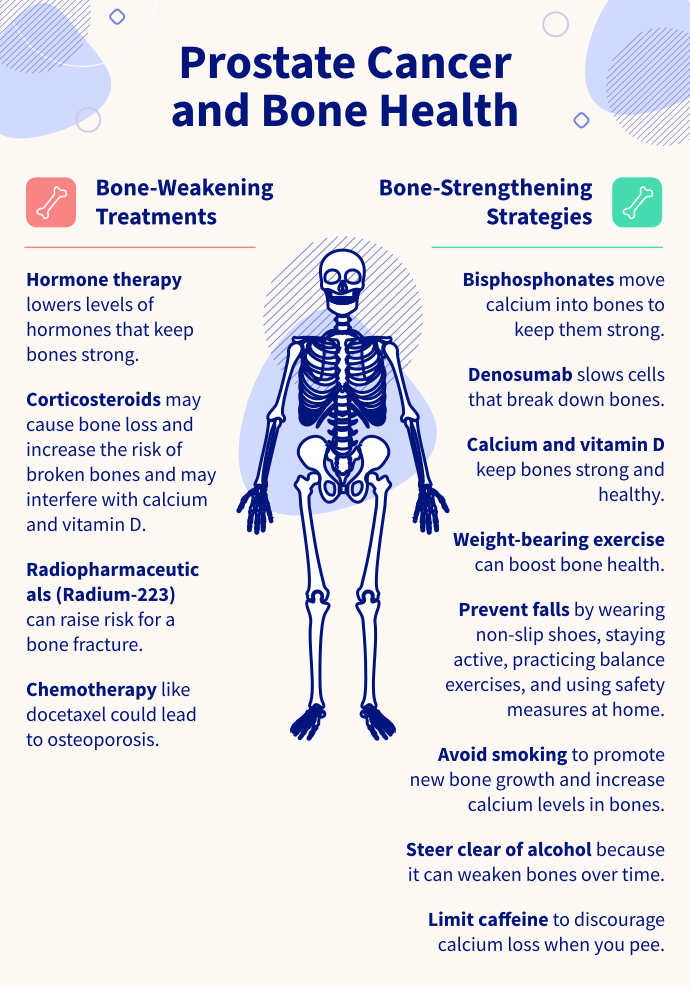
Certain treatments can help with your cancer and your pain – but at a price; they also weaken your bones.
Hormone therapy
Hormone therapy blocks the hormone testosterone, which fuels prostate cancer. The problem is testosterone also keeps bones strong. Without it, you may develop bone loss, osteoporosis (a condition that happens when bones become thin and brittle), and fractures.
Corticosteroids
Corticosteroids, like prednisone, treat pain and swelling in people with prostate cancer that's spread to the bones. They may also be given with certain prostate cancer treatments. For example, prednisone is typically given with abiraterone. These medicines often cause side effects, and one of them is bone loss. Over time, steroid use can lead to broken bones and osteoporosis. These effects can happen quickly if you take high doses. Someone who uses corticosteroids is more than twice as likely to have a spine fracture as someone who doesn't use them.
Radiation therapy
Radiation therapy delivers high-energy rays to kill cancer cells. It can help relieve pain when prostate cancer spreads to your bones. But it can also damage bones. Studies show radiation leads to less blood flow in your bones, weak bones, and fractures.
Chemotherapy
Chemotherapy is a common treatment for advanced prostate cancer that's spread to the bones. It essentially kills cancer cells in your body. But common chemo drugs, like docetaxel, may also cause weak bones. In one animal study, treatment with docetaxel and other chemo medicines caused rapid bone loss that lasted up to a year after treatment was stopped.
How Do Radiopharmaceuticals Help Treat Prostate Cancer That Has Spread to the Bones?
Radiopharmaceuticals may help with prostate cancer that's spread to the bones. Doctors inject these medicines into a vein. They collect in areas of cancerous bone. Then, they release radiation to kill cancer cells. Some examples of radiopharmaceutical medicines are:
- Radium-223 (Xofigo)
- Samarium-153 (Quadramet)
- Strontium-89 (Metastron)
These drugs can relieve bone pain. Though they zero in on cancerous tissue better than standard radiation, they can also damage your healthy bone marrow.
Lutetium Lu 177 vipivotide tetraxetan (Pluvicto) is a targeted radioligand therapy used to treat advanced prostate cancer that has spread to the bones and other parts of the body (metastasis) and is detected as PSMA-positive. PSMA stands for prostate-specific membrane antigen, a protein found on the surface of prostate cancer cells. Pluvicto works by binding to PSMA-positive cancer cells and delivering radiation, which can help shrink tumors, improve quality of life, help relieve bone pain, and prolong life expectancy. The treatment is given as an infusion, and side effects may include fatigue, nausea, and dry mouth, while a serious but rare risk is bone marrow suppression.
What Treatments Can Boost Bone Health?
Some medicines can help protect your bones from damage.
Bisphosphonates
Bisphosphonates are drugs that strengthen your bones. They slow the action of special cells, called osteoclasts, that break down bone. These medicines also move calcium from your blood into your bone.
Some examples of bisphosphonates are:
- Alendronate (Fosamax)
- Pamidronate (Aredia)
- Risedronate (Actonel)
- Zoledronic acid (Zometa)
You can take alendronate (Fosamax) and risedronate (Actonel) by mouth. Zoledronic acid (Zometa) and pamidronate (Aredia) are given through an IV infusion.
Studies have found that certain bisphosphonates can lower your risk of different types of broken bones. For example, zoledronic acid (Zometa) lessens the risk of a spine fracture by about 70%.
Denosumab
Denosumab also slows how fast osteoclasts chew up bone in your body. This can lead to healthier bones.
This medicine comes as an injection. Studies have found that denosumab can strengthen bones in prostate cancer patients who take hormone therapy. It also lessens the likelihood of a broken bone.
How Can You Protect Your Bones?
Certain lifestyle habits can help you protect your bones from more damage.
Calcium and vitamin D
Calcium builds strong bones, and vitamin D helps your body use calcium.
- Adults ages 19-50 and men ages 51-70 should get 1,000 milligrams (mg) of calcium a day.
- Women 51 and older and men 71 and older should get 1,200 mg of calcium a day.
- Adults ages 19-70 should get 600 international units (IUs) of vitamin D a day.
- Adults ages 71 and older should get 800 IUs of vitamin D a day.
If you have weak bones, your doctor might suggest you take calcium and vitamin D supplements.
You can also eat foods high in calcium and vitamin D. Calcium is found in dairy, dark greens, salmon, almonds, and soy products. Foods that naturally contain vitamin D are oily fish, eggs, liver, and mushrooms. Sunlight also helps your body make vitamin D.
Avoid falls
Falls can lead to fractures, especially if your bones are already weak. Here are some ways to avoid falls:
- Put items you use frequently within reach, so you don't have to bend down to get them.
- Keep your floors clear of clutter, wires, and cords.
- Put a non-skid backing on carpets, area rugs, and shower mats.
- Install grab bars or handrails to hold on to.
- Do activities that strengthen muscles and improve your balance.
- Wear sturdy shoes.
- Use night lights in your hallways and bathrooms.
- Keep a flashlight by your bed, so you can see if the power goes out.
- Stand up slowly if you get dizzy often.
Try weight-bearing exercises
Weight-bearing exercises are activities that require you to support your own weight with your arms or legs. They can help you strengthen bones and slow bone loss.
Some examples of weight-bearing exercises are:
- Walking
- Running
- Jumping rope
- Dancing
- Climbing stairs
- Hiking
Aim for 30 minutes of weight-bearing activities, four or more days a week.
Follow a healthy diet
A balanced, healthy diet can help you build strong bones. Try to eat plenty of calcium- and vitamin D-rich foods. Some products, like breakfast cereals, milk, yogurts, juices, and bars, are fortified with calcium or vitamin D. This makes it easier to consume these important nutrients.
Say no to smoking, alcohol, and caffeine
Smoking can wreak havoc on your bone health. The habit lessens blood flow to your bones, so they get fewer nutrients. It also slows down cells that grow new bone, lowers how much calcium your body absorbs, and causes hormone changes that could lead to weak bones.
Too much alcohol can also negatively affect your bones. One study found that people who drank two or more alcoholic beverages a day had a 1.63-times greater risk of getting osteoporosis. Also, heavy drinking can make you more likely to fall.
Caffeine is another substance that may weaken your bones. In one study, people who consumed 800 mg of caffeine in a day had 77% more calcium in their urine. This means your bones may not get enough calcium if you drink too much caffeine.
How You Know if You Have Weak Bones?
Doctors use different tests to measure and see your bones.
X-ray
If you think you broke a bone, your doctor may suggest a standard X-ray first. This test provides pictures that will show minor fractures. But an X-ray won't tell you much about the health of your bones.
Bone density test
A bone density test is a quick, easy scan that shows doctors how strong your bones are. It uses low-dose X-rays to measure how much calcium and other bone minerals are in a part of a bone. The more minerals you have, the denser and stronger your bones are. If your bones have fewer minerals, they may be weaker and more likely to break.
Show Sources
Photo Credit: iStock/Getty Images
SOURCES:
Roswell Park Comprehensive Cancer Center: "Where does prostate cancer spread?"
Indian Journal of Urology: "Optimal bone health management strategies in patients with prostate cancer."
Cancer Research UK: "Symptoms of metastatic prostate cancer," "Bone problems and osteoporosis in prostate cancer," "Long term side effects of prostate cancer radiotherapy," "Chemotherapy for prostate cancer."
Mayo Clinic: "Bone metastasis," "Osteoporosis," "Denosumab," "Bone health: Tips to keep your bones healthy," "Bone density test."
Journal of Clinical Medicine: "Testosterone and Bone Health in Men: A Narrative Review."
Urology: "Practical Guidance on the Role of Corticosteroids in the Treatment of Metastatic Castration-resistant Prostate Cancer."
New York State Department of Health: "What You Should Know About Steroids and Osteoporosis."
American Cancer Society: "Treatments for Prostate Cancer Spread to Bones."
Current Osteoporosis Reports: "Effects of radiation on bone."
Pediatric Research: "Bone Mineral Density in Patients with Inherited Bone Marrow Failure Syndromes."
Scientific Reports: "The adverse effects of chemotherapy on bone mass are not prevented by senolytics."
Canadian Cancer Society: "Bisphosphonates."
Cleveland Clinic: "Bisphosphonates."
The New England Journal of Medicine: "Denosumab in Men Receiving Androgen-Deprivation Therapy for Prostate Cancer."
National Institutes of Health: "Vitamin D."
Urology Care Foundation: "Keeping Your Bones Strong During Prostate Cancer Treatment."
Bone Health & Osteoporosis Foundation: "Be Bone Strong – Weight Bearing."
American Academy of Orthopedic Surgeons: "Exercise and Bone Health."
Johns Hopkins Medicine: "Vitamin D and Calcium."
UCI Health: "What smoking does to your bones."
CreakyJoints.org: "Alcohol and Osteoporosis: How Does Drinking Affect Your Bone Health?"
British Journal of Clinical Pharmacology: "The effect of high-dose, short-term caffeine intake on the renal clearance of calcium, sodium and creatinine in healthy adults."
NYU Langone Health: "Diagnosing Osteoporosis & Low Bone Mass."