
When you have prostate cancer, you won’t see only one doctor. You’ll have a roster of specialists, nurses, and other health care providers to handle different parts of your care. For the best results, you’ll work together with them as a team. And you’re the captain.
As the patient, you play a crucial role. “Your doctors should listen to your preferences and values and help you come up with a treatment plan together,” says Timothy Daskivich, MD, associate professor of urology and director of American Urologic Oncology Research at Cedars-Sinai Medical Center in Los Angeles. “This process is called shared decision making.”
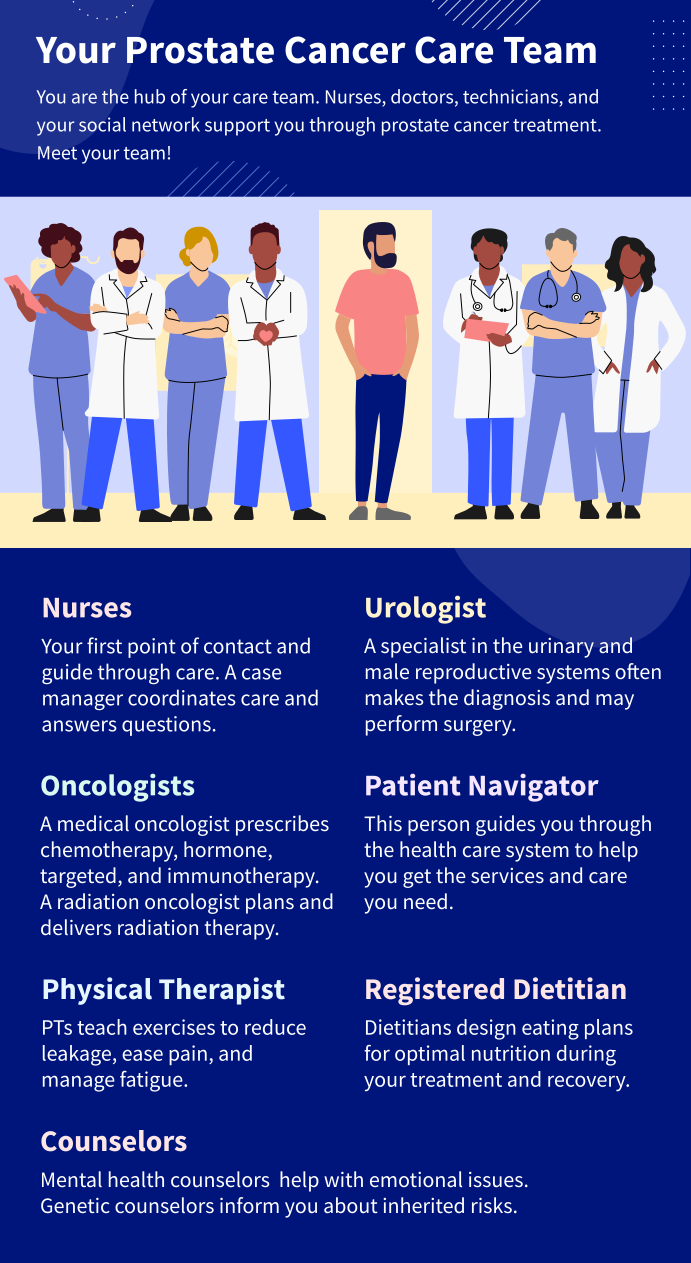
Depending on your case, you may see these doctors:
Urologist. This doctor treats conditions of the urinary tract and male reproductive system. “Urologists usually diagnose the cancer and coordinate between your doctors,” says Daskivich. “They act like the quarterback for your care team.”
Radiation oncologist. A radiation oncologist specializes in using radiation to kill cancer cells.
Medical oncologist. This specialist decides if you need medication, such as chemotherapy and hormone therapy, to treat the cancer. They’ll prescribe and manage these treatments.
You’ll also receive care from other health care experts. These include:
Nurses administer medicine and monitor treatment. Nurse case managers may help you navigate the health care system.
Social workers, counselors, and therapists help you manage the emotional burden of cancer.
Dietitians recommend an eating plan to optimize your nutrition through your treatment and healing.
Physical therapists help you build strength and mobility during treatment.
At many hospitals, your health care providers will sit down to discuss your treatment in a meeting with staff from many different departments. You can attend this meeting or ask your doctor to recap it for you.
Your Role on Your Prostate Cancer Care Team
Treating prostate cancer is rarely simple. The journey often involves tough choices, different treatments, and a series of appointments. As a patient or caregiver, you have a big say in the care that you receive.
As the patient
You’ll work with your doctor to decide on your treatment plan. “With prostate cancer, there’s often different options with equal effectiveness,” says Daskivich. It can boil down to your personal preference. For example, some patients may feel comfortable with a watch-and-wait active surveillance approach. Others may prefer treating the cancer as soon as possible. You’ll weigh your comfort level against potential side effects.
To make a decision about your care, you’ll need to learn about your prostate cancer diagnosis, including its stage and grade. You should also ask about treatments and their side effects. Being prepared and informed can help you better understand your options and participate in your care, says Minhaj Siddiqui, MD, director of urologic oncology and robotic surgery at the University of Maryland Medical Center.
Playing an active role in your own treatment plan can help your prostate cancer treatment journey go more smoothly. “Letting your doctor know your preferences, values, and priorities can help your doctor make the best choices for your care,” says Daskivich. Research shows that patients who make shared decisions with their doctors are more satisfied and report having a better quality of life than those who don’t.
As the caregiver
Caregivers act as a second set of ears during your appointments. “There’s a lot of information to take in during these consultations,” says Daskivich. It can feel overwhelming for a patient, who’s often dealing with a number of emotions. Caregivers can take notes and help the patient understand the disease and their options. Some of the most important things to remember include the patient’s treatment options and their risks and benefits. Caregivers should also note who the patient needs to meet with next, plus any follow-up steps they need to take.
You should also explain to the prostate care team your role in your loved one’s care. If you or your loved one prefers that you not handle certain aspects of their care, such as finances or wound care, let them know in advance.
How to Work With Your Care Team
Your health care providers are partners in your prostate cancer treatment. It’s important to communicate and ask questions so that you’re all on the same page and know what to expect, says Siddiqui.
Questions to ask your care team
- What’s my cancer’s grade and stage? What does this mean for our treatment approach?
- What are my treatment options? What are their risks and benefits?
- What treatments do you recommend, and why?
- What side effects should I expect, and what symptoms do I need to report immediately?
- What specialists will I see? What’s their experience in treating prostate cancer?
- Who is the point person that will coordinate my care?
- How will we monitor progress to see if the treatment is working?
- How often will I need to come in for checkups? What are my next steps?
Questions your care team might ask you
Your providers will want to ask questions about your lifestyle, symptoms, preferences, and values. “This helps us recommend the treatment plan that’s best for each personal patient,” says Siddiqui.
- How often do you wake up at night or expect to leak?
- Have you had radiation therapy before? What other medical issues do you have?
- Do you have erectile dysfunction?
- What treatment do you want to pursue? What’s your reason for choosing that?
What to Do If You Disagree With Your Care Team
If you don’t agree with your doctor’s suggestions, you should feel comfortable speaking up. “Patients should remember that they are their own best advocate,” says Siddiqui. Good health care providers are open to feedback, he says, and they should address your preferences.
How to speak up for yourself
It’s normal to feel hesitant to disagree. But it’s important to be up-front with your health care provider so he or she can understand your concerns.
Communicate your opinion. Explain why you’re not comfortable and give detailed reasons. This will help your doctor better understand your perspective. “As doctors, it’s our job to make recommendations and explain why we’re making them,” says Daskovich. “If that’s not what the patient wants, we should take that under consideration.”
Ask for time if you need it. With prostate cancer, you usually don’t have to make a decision right away. You can ask your doctor for time to do more research and think things through.
Bring a caregiver. Have someone on your side to help you communicate your point of view.
Get a second opinion. Doctors welcome second opinions because they can have slightly different approaches. “If there’s any hesitation, I encourage my patients to get one,” says Siddiqui. If you and your doctor continue to disagree, you may consider changing health care providers. You may find a doctor with a communication style or approach that’s a better match.
How to Talk With Your Partner
If you’re the patient, have an honest conversation with your loved one about what you expect during prostate cancer care. You may choose certain appointments you want them to attend, or ask for help coordinating care or picking up prescriptions, says Siddiqui. Discuss any parts of your care that you don’t want them to get involved with. Also share how you see your role and how you’d like to be treated.
If you’re the caregiver, you should have a clear idea of what you’re going to handle. Be up-front with any boundaries or tasks you don’t feel comfortable taking on. Being up-front with your limitations can prevent misunderstandings — so your loved one can get the best care.
Show Sources
Photo Credit: DigitalVision/Getty Images
SOURCES:
Timothy Daskivich, MD, associate professor of urology; director, American Urologic Oncology Research, Cedars-Sinai Medical Center, Los Angeles.
Minhaj Siddiqui, MD, director, urologic oncology and robotic surgery, University of Maryland Medical Center.
American Cancer Society: “Treating Prostate Cancer.”
American Urological Association: “Implementation of Shared Decision Making in Urological Practice.”
Mayo Clinic: “Cancer Caregivers: 3 Tips for Communicating with Your Loved One’s Care Team.”
National Cancer Institute: “When Someone You Love is Being Treated for Cancer.”