Lifestyle Tips for Narcolepsy Type 1

Manage Your Narcolepsy Type 1
With narcolepsy type 1, you may feel sleepy all day. You may have cataplexy if you fall asleep out of the blue or your muscles get suddenly weak during the day. It can happen in a few muscles or in your entire body. Although there’s no cure for narcolepsy, you can do many things to help manage your condition.

Tips for Refreshing Naps
A nap can help refresh you for one to three hours. Try these tips for a great nap:
- Find good times to take 15- to 20-minute daytime naps.
- Plan to nap when it’s toughest to stay awake — usually mid-afternoon.
- Try a late-morning nap and one before driving to stay refreshed.
- Avoid napping too late or falling asleep can be harder.
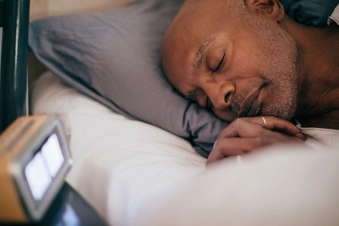
Stick to a Sleep Schedule
A regular sleep schedule can help you sleep better and ease your narcolepsy symptoms. Try these tips to help your body get used to a regular routine:
- Go to bed and wake up at the same time.
- Try to sleep or go to bed within an hour of your scheduled time on the weekends.
- Give yourself plenty of time to wind down and get close to eight hours of sleep.
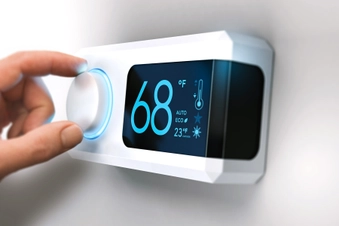
Make Your Room Ready for Sleep
Practice good sleep hygiene and create a relaxed sleep environment. Try these suggestions to sleep soundly with narcolepsy:
- Most people sleep better in a cooler bedroom.
- Use cozy bedding and replace older pillows if yours aren’t in great shape.
- Hang light-blocking curtains up to keep your room dark.
- Consider a sound machine or thick rugs to help block noise.
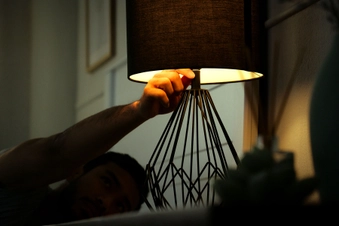
Turn Off Your Lights
Light can keep you up at night and mess with your sleep-wake cycle. Here are few tips for better sleep:
- Avoid bright lights right before bed.
- At bedtime, don’t look at your TV, computer, or phone.
- Try not to use electronics too close to bedtime.
- Turn off any bright lights that can make falling asleep harder.
- If you need light, try a nightlight.
- Leave your electronics in another room so you're not tempted to use them.

Relax Before Bed
A relaxing routine before your bedtime can signal your body that it’s ready for sleep. Here are few things you can try to help you get a good night’s sleep with narcolepsy:
- Take a warm bath to soothe tired muscles.
- Listen to music to relax or fall asleep.
- Read a book using a soft nightlight.
- Try some gentle stretches.
- Deeply breathe or meditate – whatever soothes you.

Watch Alcohol and Caffeine
Alcohol and caffeine can impact your narcolepsy symptoms. Try to avoid alcohol or caffeine in the late afternoon or early evening to get better sleep:
- Alcohol can make you tired at first, but it also worsens narcolepsy symptoms. Later, alcohol can wake you up, making sleep harder.
- Avoid caffeinated drinks – like coffee or soda. Although caffeine helps you stay awake, you can feel jittery and have a harder time sleeping.

Stay Active to Get Better Sleep Quality
Moving can keep you alert and may help you sleep deeper at night. Exercise may also improve your sleep quality with narcolepsy. You can try to:
- Exercise at least four to five hours before bedtime.
- Give yourself plenty of time to wind down after.
- Aim for at least 20 minutes of exercise most days of the week.
- You don’t have to go to a gym. Try walking, swimming, or yoga.
Just get outside and move. Do whatever you enjoy that will keep you refreshed.

Eat Healthy
Fill your diet with well-balanced healthy foods. Here are a few food tips to help you sleep better:
- Don’t eat big meals – especially those filled with carbohydrates – close to bedtime.
- Limit your sweets and carbohydrates.
- Instead, eat smaller, more frequent meals. Feeling full before bed can make you feel sleepier.
- If you find that eating makes you sleepy, schedule your meals before you plan on taking a nap.
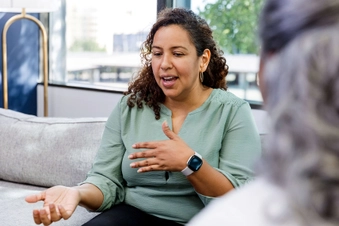
Consider Therapy
Cognitive behavioral therapy (CBT) is a type of talk therapy. You work with a therapist to uncover how your thoughts and behaviors are linked.
Your therapist helps you learn coping skills. The process can help you sleep better at night. And you may notice that you’re less drowsy during the day.

Be Safe While Driving
Consider ways to stay safe so you don’t fall asleep while driving. Here are some driving tips:
- Take a nap before you’re going to drive.
- Try to avoid very long drives — swap drivers on longer trips.
- Stop often to move around or take a nap – to break up your trip.
- Don’t drive if you’re tired or feel sleepy.
- Work with your doctor to plan a medication schedule.
- Avoid medicine, drinks, or foods that make you drowsy when you’re on the road.

Get a Narcolepsy Type 1 Support Team
You don’t have to deal with narcolepsy type 1 all by yourself. Your doctor can help you find a support group. Talking with people who are experiencing the same things can help you, too.
Share what you’re going through with your friends and family. That can help them better understand your symptoms. It also gives them a chance to support you when you need them.