Slideshow: A Visual Guide to Anemia

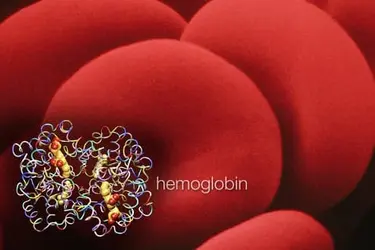
What Is Anemia?
Anemia develops when you don't have enough robust, healthy red blood cells to carry oxygen throughout your body. The blood cells may lack enough hemoglobin, the protein that gives blood its red color. Anemia affects about 7% of the US population and is more common in women of child-bearing age, the elderly, women of color and Hispanic women.

Symptoms of Anemia
If you're often tired even though you've slept well or you lack the energy for normal activities, you may have anemia. It can be an underlying cause of memory or mood problems. Symptoms range from none to mild to life-threatening and may include:
- Weakness
- Dizziness
- Pale skin
- Headache
- Numbness or coldness in hands and feet
- Low body temperature
- Shortness of breath on exertion

Heart-Related Symptoms
People with anemia have less oxygen in their blood, which means the heart must work harder to pump enough oxygen to their organs. Cardiac-related symptoms include arrhythmia (an abnormal heart rhythm), shortness of breath, and chest pain.

Anemia in Children
Many preschool children are anemic, most often because they don't have enough iron in their diet. People who have iron-deficiency anemia may feel the urge to eat inappropriate things like dirt, clay, ice, or starch, a behavior called pica. Pediatricians typically test all children for anemia at 12 months. Without treatment, a severe case of anemia could permanently affect brain development.

Anemia Risk Factors
Women and people with chronic diseases have the greatest risk of anemia. When women lose blood in heavy menstrual periods, they may become anemic. Pregnancy also causes changes in a woman's blood volume that can result in anemia. Chronic diseases such as kidney disease can affect the body's ability to make red blood cells. A diet low in iron, folate, or vitamin B12 also increases your risk. And some types of anemia are hereditary.

Teens and Anemia
If your teen often is fatigued, anemia might be a cause. Teens are at risk of iron-deficiency anemia because of their sudden growth spurts. Teen girls also are more prone to anemia because of their menstrual periods.

Cause: Low Iron Intake
A diet that's low in iron can cause anemia. Iron from plants and supplements isn't absorbed as well as the iron in red meat. Digestive concerns such as Crohn's disease, celiac disease, or even having gastric bypass surgery can interfere with iron absorption. And some foods and medicines can hinder iron uptake when taken with iron-rich foods. They include:
- Dairy
- Other calcium-rich foods
- Calcium supplements
- Antacids
- Coffee
- Tea

Cause: Vitamin Deficiency
The body needs both vitamin B12 and folate to make red blood cells. A diet too low in these vitamins sometimes can cause anemia. An autoimmune disorder or digestive problem also can prevent your body from absorbing enough B12. Animal-based foods and fortified breakfast cereals are good sources of B-12. Folate is in leafy green vegetables, fruits, dried beans, and peas, and is added to breads, pastas, and cereals as folic acid.

Cause: Illness
Chronic illness or infection can cause the body to make fewer red blood cells. This can result in a mild drop in hemoglobin. If you have significant blood loss, then you may develop iron-deficiency anemia. And some drugs and medical treatments can also put you at risk for anemia. Consult your doctor to see if you need iron or other supplements.

Cause: Aplastic Anemia
Aplastic anemia happens when your bone marrow doesn't make enough blood cells to supply your body. Only about two people out of a million have this rare type of anemia. It can happen from high doses of radiation, certain chemical exposures, viruses, or an autoimmune disorder. You can also inherit aplastic anemia.

Cause: Blood Loss
Losing too many red blood cells is a common cause of anemia. Heavy menstruation, ulcers, injury, or surgery can cause enough blood loss to lead to iron-deficiency anemia. Women who have heavy menstrual periods should be tested for anemia.

Cause: Faulty Blood Cell Mechanics
Inherited disorders can affect your body's production of red blood cells. Thalassemias cause the body to make fewer healthy red blood cells and less hemoglobin -- and may be treated with blood transfusions as well as other treatments. Among people with hemolytic anemia, red blood cells are destroyed and cleaned out of the bloodstream too quickly.

Sickle Cell Anemia
Sickle cell anemia is an inherited disorder in which the body produces an abnormal form of hemoglobin. This causes red blood cells to change from round to a sickle shape and become stuck together. That can make it difficult for them to pass through blood vessels, leading to pain and damage to body tissues. The red blood cells also die more quickly than normal red blood cells. In the U.S., sickle cell anemia is more common among African-Americans and Hispanics.

Diagnosis: Complete Blood Count
A complete blood count test checks your levels of red blood cells, white blood cells, platelets, and hemoglobin. It also measures the size and shape of your red blood cells, like the average size, variability in size, volume, and hemoglobin concentration. If you have iron-deficiency anemia, your red blood cells may be smaller than normal. Your doctor might ask about your symptoms, medicines you take, and your family history.

Diagnosis: Other Blood Tests
If the complete blood count shows that you have anemia, you may have more blood tests. Your blood cells may be checked for an odd look (abnormal appearance). Hemoglobin electrophoresis tells your doctor which type of hemoglobin is in your blood. A reticulocyte count tests how quickly your bone marrow makes new red blood cells. Iron studies can measure how much iron is stored in your body, as well as iron levels in your blood.

Diagnosis: Bone Marrow Test
If your body makes too few or too many blood cells or their structure appears abnormal, you may need a bone marrow test. Bone marrow, the spongy tissue inside bones, contains stem cells that turn into blood cells. Your doctor will remove a small sample of bone marrow through a needle. The procedure takes about 30 minutes and will cause some soreness.

Treatment: Iron
Iron pills are often needed for anemia caused by a deficiency in that mineral. Ferrous iron is more easily absorbed than ferric iron. It's best taken with food, especially orange juice and other foods rich in vitamin C. But don't mix your iron pill with calcium, coffee, or tea, which can block absorption. And never take iron without a doctor's order or let children near the pills. An iron overdose can be dangerous. Some people may need folic acid or vitamin B12 supplements, too.

Iron and Pregnancy
About 40% of pregnant women have iron-deficiency anemia. Pregnant women should get at least 30 milligrams of iron each day in their diet. Your prenatal vitamin also may contain iron. You may be tested for anemia at your first prenatal visit and after delivery.

Treatment: Medicines
Drugs for anemia often treat the root illness. In some cases, anemia is due to chronic kidney disease. An injection of the hormone erythropoietin (EPO) might help. If an autoimmune disorder causes the red blood cell damage, then a corticosteroid, such as prednisone, can slow the damage and help correct anemia. In sickle cell anemia, many medicines work to lower your risk of problems and thus, hospitalizations. There are also gene therapies to treat sickle cell anemia called exagamglogene autotemcel (Casgevy) and lovotibeglogene autotemcel (Lyfgenia).

Treatment: Procedures
When your red blood cells don't work right, serious illnesses like cancers and aplastic anemia can cause severe anemia. With severe aplastic anemia, you may need a:
- Blood transfusion that matches your type
- Bone marrow transplant from a healthy donor to replace the faulty bone marrow
- Medicine called omidubicel (Omisirge) which adds a type of vitamin B3 to donated umbilical cord blood cells
When blood cells are destroyed too quickly, blood plasma treatments, or even removing your spleen may be needed. Bone marrow transplant and omidubicel can possibly cure your anemia by helping your body make healthy blood cells again.

Preventing Anemia
You can prevent some types of anemia with a healthy diet. Foods containing iron include lean red meat, liver, fish, tofu, lentils and beans, dark green leafy vegetables, and dried fruits. Also eat foods with vitamin B12 and folic acid, such as eggs and dairy products, spinach, and bananas. Many breads, cereals, and other foods are fortified with all three key nutrients: iron, B12, and folic acid. Vitamin C, found in citrus, other fruits, and vegetables, will help your body absorb iron.

Iron Overload
Too much iron can cause serious problems. Iron overload can be a result of repeated blood transfusions or an inherited condition, but taking too much iron also is a risk. The many symptoms of iron overload are related to excess iron depositing into organs and causing problems in the liver, heart, and pancreas. Iron levels can be reduced through phlebotomy (blood removal) or medications.

Living With Anemia
Treating your anemia and eating a well-rounded diet can give you more energy and enhance your life. Most people can manage their anemia through a healthy diet and iron or vitamin supplements, if a doctor says they are deficient in one of the key nutrients. If you have a chronic disease, then good management of your condition also will help you prevent or manage anemia.